By Vanessa Gaudiano, nutritionist and herbal medicine practitioner · Published 10/08/2026
Muscle cramps, tingling in the hands, excessive fatigue, irritability, trouble sleeping, joint pain. If you recognize yourself, it is worth looking at your magnesium and calcium levels, and food can help. In this article, I explain the most common signs and share a simple recipe from my practice, using two seeds: sesame and chia.
Why magnesium and calcium?
Magnesium takes part in muscle and nerve function, cellular energy production and bone health. Calcium is the main mineral in bones and teeth and also plays a role in muscle contraction. The signs of low levels look like those of other conditions, such as vitamin D deficiency, thyroid disorders, kidney disease and some medications. That is why seeds are an ally in your routine, not a replacement for tests and professional guidance.
Signs that deserve attention
- Low magnesium: cramps and muscle spasms, tingling or numbness in the hands and feet, fatigue, mood changes, trouble sleeping and digestive discomfort such as nausea.
- Low calcium: muscle stiffness, pain or spasms, and tingling in the fingers and around the mouth. Insufficient intake over many years is associated with bone loss, osteopenia and osteoporosis.
Recipe: chia and sesame water
Ingredients
- 300 ml (about 1 1/4 cups) of water
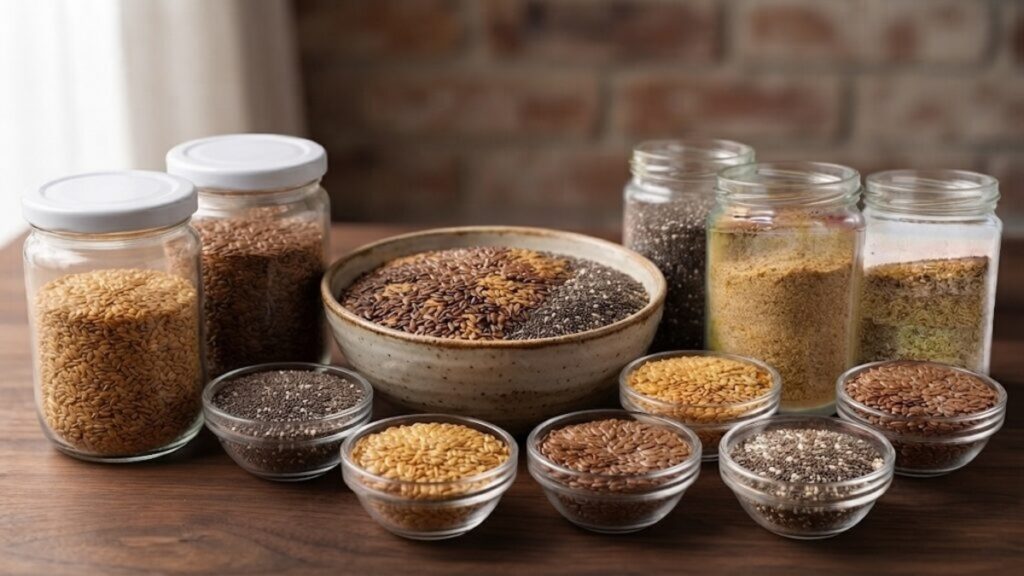
- 1 tablespoon of chia seeds
- 1 tablespoon of ground sesame seeds
Method
- Add the chia to the water and let it hydrate for about 15 minutes, stirring at the start.
- Add the ground sesame and mix well, or blend briefly.
- Drink right away.
It can be had at any time of day. You can also sprinkle chia and sesame on yogurt, fruit or salads.
How to grind sesame
- Buy whole sesame seeds. The darker the seed, the more protein it usually has.
- Grind small amounts at home, in a blender or food processor.
- Store in a tightly closed jar, away from heat and light, or in the fridge if you prefer.
- Does it need grinding? Yes. Whole seeds can pass through the gut without being absorbed. Calcium is more available when the seed is crushed.
What this recipe can offer
- Bones, teeth and joints: sesame provides calcium and magnesium and can support bone health as part of a varied diet.
- Magnesium and omega-3: chia provides magnesium and alpha-linolenic acid, the plant-based omega-3.
- Blood sugar: chia fiber slows sugar absorption, which helps avoid glucose spikes.
- Gut: fiber supports bowel function and, with it, nutrient absorption.
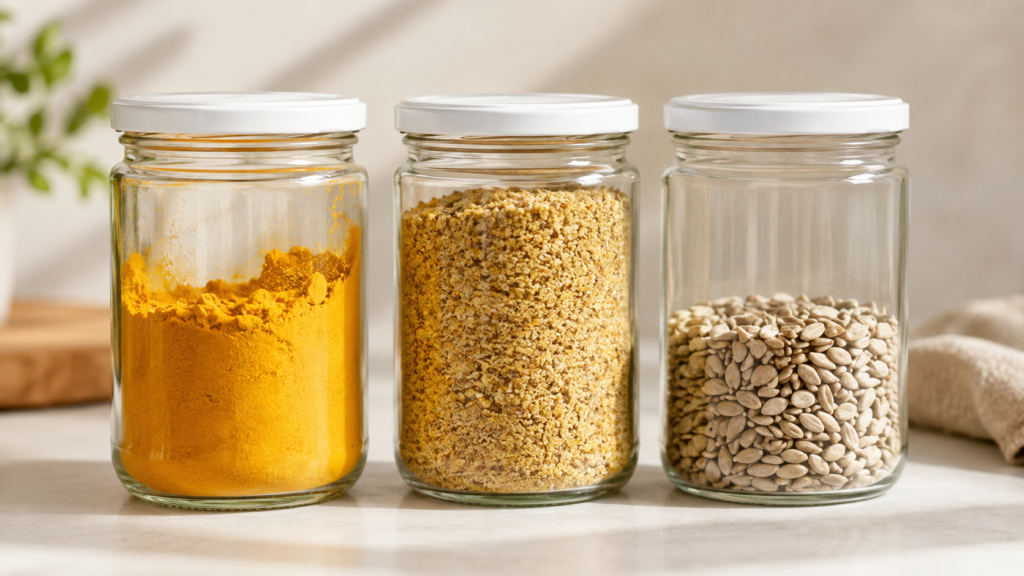
- Other seeds: pumpkin and sunflower seeds are also good sources of magnesium.
Sesame contains phytates and oxalates, which reduce the absorption of part of its calcium. It therefore complements, rather than replaces, other sources such as dairy, legumes and dark leafy greens.
Why routine matters
Around age 45, with the hormonal transition, it is common to notice more fatigue, weaker joints and bones, hair loss and more sensitive skin. Excessive tiredness is usually the sign that weighs most, because it takes away the energy to exercise and to get through the day. At this stage, it is worth talking to your doctor about checking calcium, vitamin D and bone density.
One tablespoon of each seed per day is a common portion, but it does not solve things on its own: it works alongside a balanced diet. Introduce the seeds gradually and drink plenty of water.
Important precautions
- Drink plenty of water throughout the day, because fiber needs fluid. Without it, it can cause constipation.
- Do not eat large amounts of dry chia; hydrate it first.
- If you have a seed allergy, kidney or bowel disease, are pregnant or take ongoing medication, consult a professional before increasing your intake.
- Palpitations, fainting, chest pain or sudden numbness require immediate medical care.
- This recipe is a support, not a substitute for medical treatment.
Want to go one step further?
I put together a protocol that shows how to use seeds in your routine, with an organized diet. Check the link in the video description or the pinned comment.
Have you tried chia and sesame water? Tell me in the comments.
I am a nutritionist and herbal medicine practitioner, and I help women reduce inflammation naturally during perimenopause and menopause, with teas, juices, shakes, shots and seeds in their daily routine.
References
- National Institutes of Health, Office of Dietary Supplements. Magnesium: Fact Sheet for Health Professionals.
- National Institutes of Health, Office of Dietary Supplements. Calcium: Fact Sheet for Health Professionals.
- U.S. Department of Agriculture. FoodData Central.
This content is for information only and does not replace medical or nutritional evaluation. Dietary changes should be supervised by health professionals.