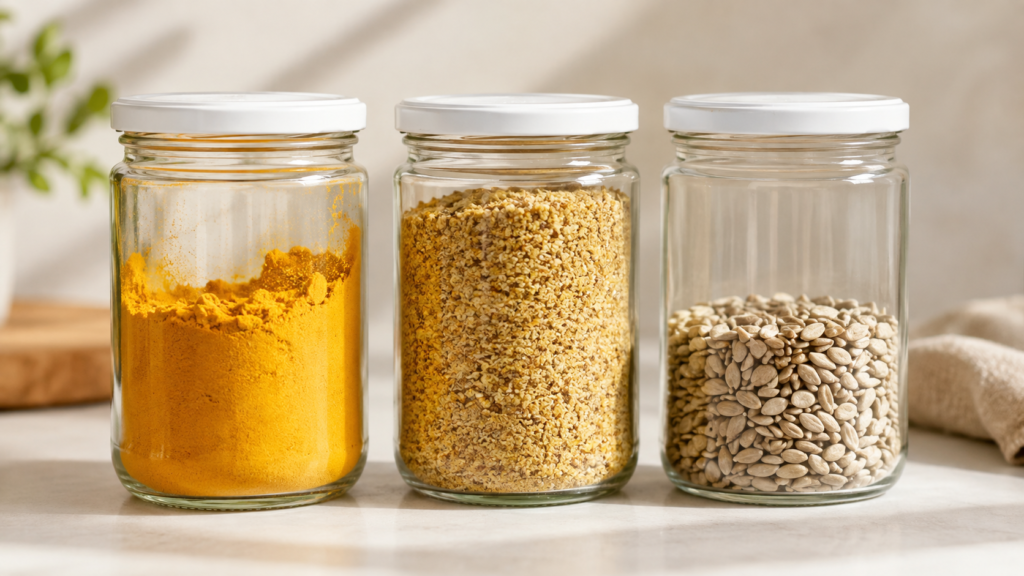
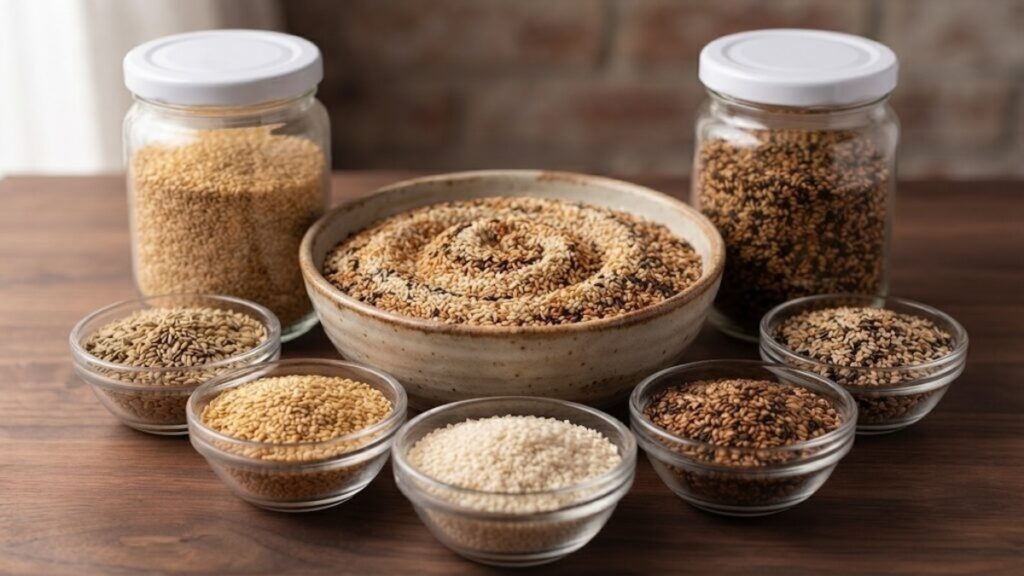
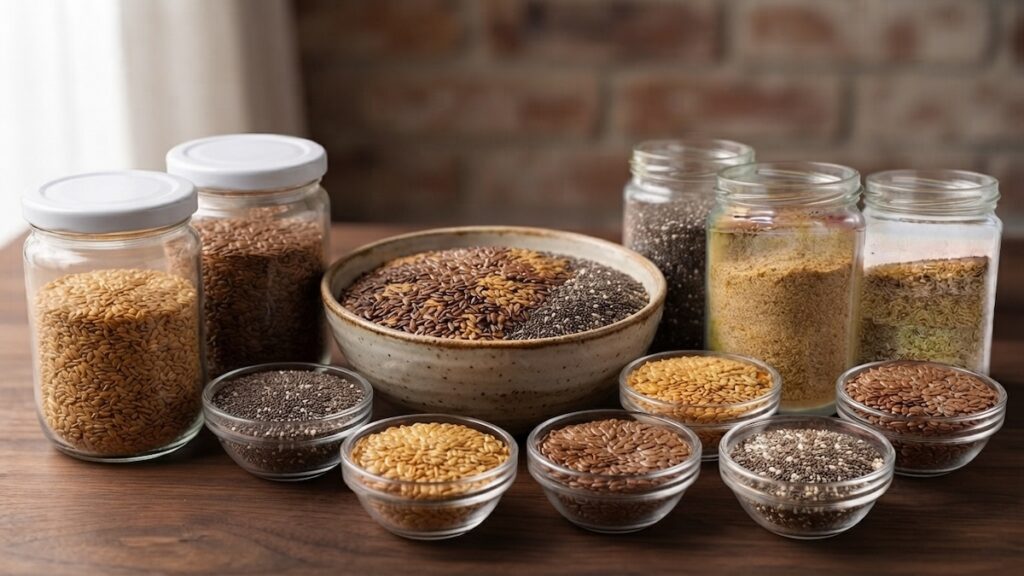
Ground golden flaxseeds and hydrated chia seeds alongside plain yogurt.
Nutritionist’s Guide: How to Use Flaxseed and Chia as Anti-Inflammatory Allies After 40
After the age of 40, the female body goes through a significant hormonal and metabolic transition known as the menopausal transition. During this period, the gradual decline in estrogen can alter lipid metabolism, increase the predisposition to chronic inflammatory processes, and affect gut health.
Including functional seeds such as flaxseed and chia in your daily diet is a simple and affordable nutritional strategy that may help modulate systemic inflammation, support cellular vitality, and provide natural nutritional support for the female body.
Why Does the Combination of Flaxseed and Chia Work?
These two seeds are considered nutritional powerhouses because of their high nutrient density. Together, they provide a unique combination of bioactive compounds that may help support metabolic health and manage chronic discomfort:
- Healthy Fats: Plant-based sources rich in alpha-linolenic acid (ALA), an omega-3 fatty acid precursor that may contribute to a healthy inflammatory response.
- Natural Phytoestrogens: Flaxseed is rich in lignans, compounds that interact with estrogen receptors and may help support women experiencing symptoms such as hot flashes and mood fluctuations.
- Gut Health Support: Their high concentration of soluble and insoluble fiber helps regulate bowel movements and provides nourishment for beneficial gut bacteria, supporting a healthy intestinal environment.
Systemic Health Benefits for Women
Regular consumption of flaxseed and chia may provide nutritional benefits across several areas of the body:
- Blood Sugar Management: Their fiber content can slow carbohydrate absorption, helping support healthy insulin responses and blood glucose levels.
- Cardiovascular Support: They may contribute to healthy LDL cholesterol and triglyceride levels, supporting cardiovascular health.
- Bone and Cognitive Support: The magnesium and calcium found in these seeds contribute to bone health, while tryptophan is involved in serotonin production, which plays a role in mood, focus, memory, and sleep.
- Support for Inflammatory Conditions: They may be used as part of a nutritional approach for women dealing with inflammatory conditions such as rheumatoid arthritis, fibromyalgia, lupus, and endometriosis, always alongside appropriate medical care.
How to Consume Them for Better Nutrient Absorption
To help the body access the nutrients inside these seeds, preparation is important:
Flaxseed (Golden or Brown)
- How to prepare: It is best consumed ground. Grind the seeds in a blender or food processor and store them in a dark container in the refrigerator for up to 7 days to help prevent oxidation of the healthy fats.
Chia Seeds
- How to prepare: They can be consumed hydrated. Soak the seeds in water, juice, or yogurt for 10 to 15 minutes until they form a thick gel. This can make them easier to digest and may improve the availability of certain minerals.
Daily Serving Suggestion:
- Consume 1 tablespoon of ground flaxseed combined with 1 tablespoon of hydrated chia seeds. Incorporate the mixture into functional shakes, yogurt, chopped fruit, or healthy bread recipes as part of your daily routine.
Embedded content from YouTube
Disclaimer
The information contained in this article is for informational and educational purposes only. The consumption of functional foods and herbal products does not replace professional medical advice or treatment prescribed by a healthcare professional. People diagnosed with active gastrointestinal conditions, such as ulcerative colitis, acute diverticulitis, or severe irritable bowel syndrome, should consume these seeds in smaller amounts, preferably ground or hydrated, and under individualized professional guidance. Consuming seeds without adequate water intake (at least 35 ml per kilogram of body weight) may cause digestive discomfort and constipation.
References
- RODRIGUEZ-LEYVA, D. et al. Potent antihypertensive action of dietary flaxseed in hypertensive patients. Hypertension, 2013.
- KULCZYŃSKI, B. et al. The Chemical Composition and Nutritional Value of Chia Seeds—Current State of Knowledge. Nutrients, 2019.
Vanessa Gaudiano — Nutritionist (CRN-8 16541) and Clinical Herbal Medicine Specialist, specializing in Women’s Health and Functional Nutrition.