By Vanessa Gaudiano, nutritionist and phytotherapist
Hard stools, a bloated belly, the feeling that your bowels never fully empty. If this sounds familiar, it’s worth first understanding why you’re constipated. In this post, I share a simple recipe from my practice, oat and chia water, which may help soften stools and get things moving, and I explain the habits that are often behind the problem.
Does This Happen to You?
See if you recognize yourself:
- Hard stools, like “little pellets”
- Bloated belly
- Feeling that you don’t fully empty when you go to the bathroom
- Feeling more and more inflamed
- Dull hair and brittle nails
- Low mood and lack of energy
These signs may indicate that your gut isn’t working well, which often affects overall well-being and energy. For women in perimenopause and menopause, organizing your routine and diet also helps support circulation and energy.
Recipe: Oat and Chia Water
Ingredients
- 500 ml of water in total (250 ml warm to hot + 250 ml lukewarm to cool)
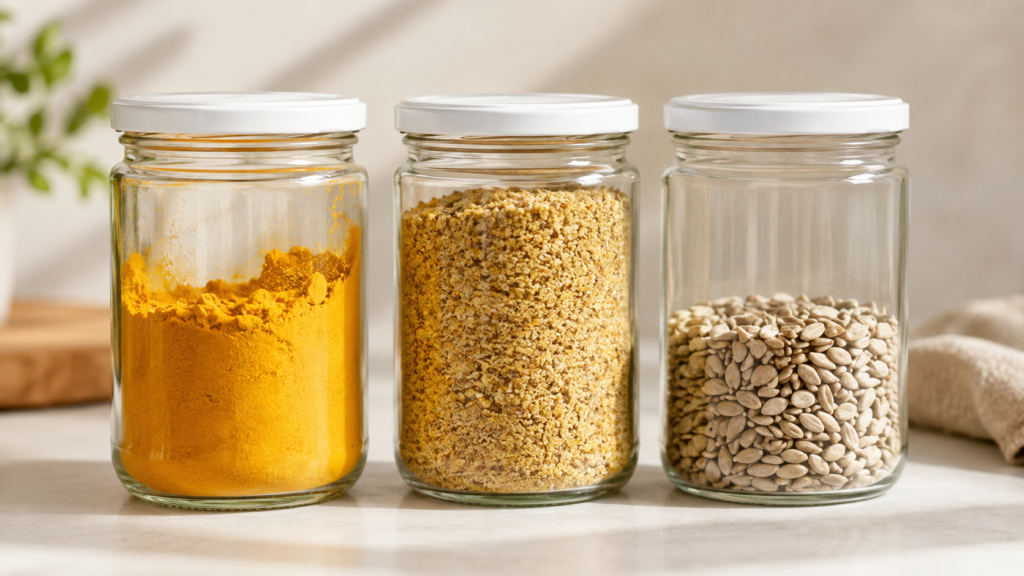
- 1 tablespoon of fine rolled oats
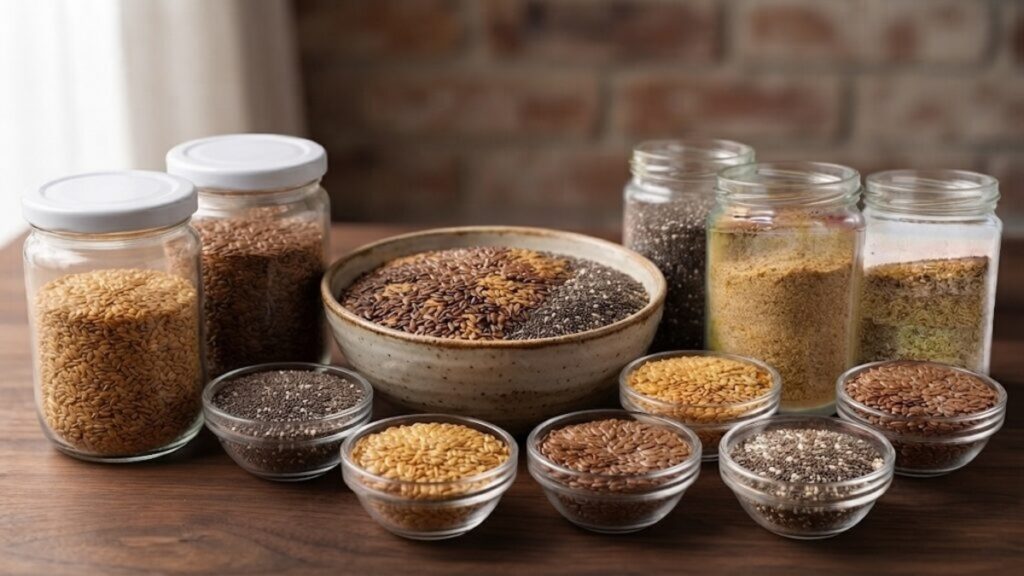
- 1 tablespoon of chia seeds
Instructions
- Heat 250 ml of water until it’s warm to hot.
- Add the oats and chia and stir well. The water will already thicken.
- Let it rest for about 20 minutes, until the mixture cools a little and the chia releases its gel.
- Pour it into a blender with another 250 ml of water, for a total of 500 ml. The mixture should be lukewarm, closer to cool (if you put your finger in, it shouldn’t burn. Think of the temperature of warm milk).
- Blend until smooth.
- Drink.
How and When to Drink It
- Many people feel the urge to go to the bathroom right after drinking it, or shortly after.
- Drink more water throughout the day.
- If your bowels are very backed up, you can make the recipe in the morning and at night, until you’re able to take it just once a day.
- Make sure you have time and access to a bathroom. Don’t drink it before catching the bus or heading to work, because the urge may arrive halfway there. Take it when you’re at home.
Why Does It Work?
- Oats: they contain beta-glucan, a fiber that, once it reaches the intestine, acts like a “broom,” supporting bowel movement. It is also associated with lower blood fat and cholesterol.
- Chia: when hydrated, it releases a gel (mucilage) that promotes fullness, helps the stomach, and contributes to softening stools.
In many cases, constipation comes from a lack of fiber and water.
Why Does Constipation Happen?
The most likely reasons:
- Too many simple carbohydrates: bread, pizza, lasagna, white rice
- Eating every 3 hours, without giving your body time to digest
- Too little water: people with severe constipation usually drink little fluid
- Too little fiber: not enough seeds, fruit, and leafy greens. But be careful: increasing fiber without drinking water also makes constipation worse
Often people don’t even realize their constipation comes from their habits. The basics work: good food, routine, fiber, fruit, seeds, and water. You don’t need to wait for motivation to build healthy habits: a healthy habit is simply a routine that works.
When to Seek Help
This recipe is support, not a treatment. See a doctor if constipation is persistent, or if you have strong pain, blood in the stool, unexplained weight loss, or alternating diarrhea and constipation. If you have an intestinal disease, take ongoing medication, or have trouble swallowing, talk to a professional before using it. Also remember that fiber must always be accompanied by plenty of water.
Want to Take the Next Step?
I run challenges periodically, such as the Zero Sugar Challenge, the Debloat Challenge (Desafio Desinchar), and a weight-loss accelerator, aimed at women over 40, especially 45+, to balance the hormones of perimenopause and menopause naturally. Sign up through the link in the video description to receive guidance by email and join in.
Have you tried oat and chia water? Tell me in the comments.
I’m a nutritionist and phytotherapist, and I help women balance the hormones of perimenopause and menopause in a simple, practical, and natural way, using teas, juices, shakes, shots, and seeds in their daily routine.
This content is for informational purposes only and does not replace medical or nutritional evaluation. Persistent constipation should be investigated by a healthcare professional.