Have you ever wondered what sunflower seeds are actually good for?
Can they really help balance your hormones, support weight loss, increase satiety, and benefit women during perimenopause and menopause?
Are sunflower seeds rich in protein and minerals? And most importantly: how much should you consume per day?
That’s exactly what I’m going to explain today about this wonderful seed, scientifically known as Helianthus annuus. You’ll see that sunflower seeds have impressive, science-backed medicinal properties that can truly transform your health.
Before we begin, let me introduce myself.
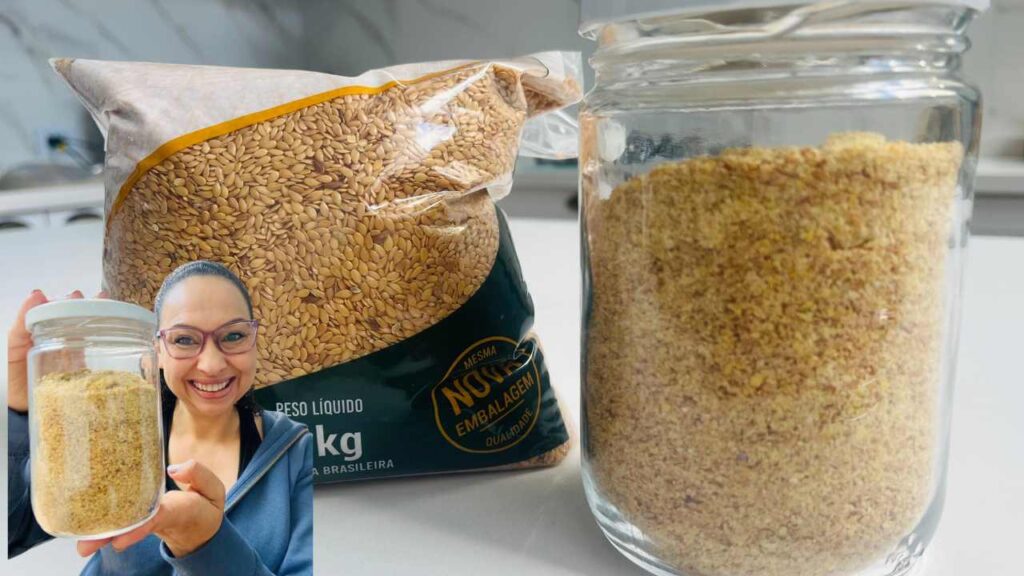
I’m Nutri Vanessa Gaudiano, a nutritionist and phytotherapist. Here on my YouTube channel, I teach women how to reduce bloating, fight inflammation, and live without pain using medicinal seeds, shakes, juices, teas, alkaline water, and a natural, living diet — a diet given by God through nature itself.
If you want to learn more about medicinal seeds, leave a comment below and let me know. And don’t forget to like and subscribe to the channel.
Sunflower Seeds and Inflammatory Conditions
If you suffer from rheumatoid arthritis, lupus, gout, osteoarthritis, or fibromyalgia, you might be wondering how such a small seed can offer so many health benefits.
Sunflower seeds are extremely rich in vitamin E, one of the most powerful natural antioxidants. Vitamin E helps protect the skin, supports wound healing, and plays a key role in reducing inflammation.
For women with chronic inflammatory conditions, vitamin E helps reduce daily pain, neutralize free radicals, and modulate inflammatory responses at the cellular level.
Omega-6, Omega-9, and Cardiovascular Health
Sunflower seeds contain both omega-6 and omega-9 fatty acids.
While omega-6 often has a reputation for being inflammatory, the omega-6 found in seeds is far less inflammatory than the omega-6 found in ultra-processed foods and dairy products. In seeds, omega-6 helps the body recognize inflammation and properly regulate the inflammatory response.
Omega-9, on the other hand, plays a crucial role in lowering cholesterol levels. It helps clean excess fat from blood vessels, preventing fat from sticking to artery walls and reducing the risk of arterial calcification.
This makes sunflower seeds excellent allies for heart health, blood circulation, and liver detoxification, especially in preventing fatty liver (hepatic steatosis).
Fiber, Blood Sugar Control, and Weight Loss
Sunflower seeds are also rich in dietary fiber, which helps slow the absorption of carbohydrates and prevents spikes in blood sugar.
This makes them especially beneficial for women with:
- Type 2 diabetes
- Insulin resistance
- Metabolic syndrome
Fiber promotes satiety, helps regulate appetite hormones like ghrelin and leptin, and supports healthy weight loss by reducing fat storage and improving metabolic balance.
Hormonal Balance, Menopause, and Hot Flashes
One of the greatest benefits of sunflower seeds for women over 40 is their content of phytosterols — plant compounds that mimic natural sex hormones.
Phytosterols help regulate estrogen and progesterone levels rather than increasing or decreasing them excessively. They promote hormonal balance, which is exactly what women need during perimenopause and menopause.
This can help reduce:
- Hot flashes
- Excessive sweating
- Headaches
- Mood swings
- Fatigue
Protein, Muscle Health, and Physical Performance
Sunflower seeds contain approximately 20–25 grams of protein per 100 grams, making them an excellent plant-based protein source.
They support:
- Muscle maintenance
- Muscle recovery
- Lean mass gain
You can consume sunflower seeds as:
- A pre-workout snack (for energy and strength)
- A post-workout addition (to aid recovery)
Magnesium, Sleep, Anxiety, and Mood
Sunflower seeds are rich in magnesium, a mineral essential for:
- Muscle relaxation
- Bone and dental health
- Preventing osteoporosis
- Reducing anxiety
- Improving sleep quality
They also contain tryptophan, an amino acid that helps produce serotonin — the hormone of well-being and happiness. Serotonin is also directly involved in sleep regulation.
For this reason, sunflower seeds are an excellent option to consume in the evening, especially compared to heavier nuts like walnuts or macadamia nuts.
Brain Health and Longevity
Sunflower seeds provide selenium and choline, two nutrients essential for brain health.
Choline supports memory, concentration, and cognitive function, while selenium helps protect brain cells from oxidative damage. Together with vitamin E, these nutrients help reduce the risk of cognitive decline, dementia, and Alzheimer’s disease.
Nutritional Value (Per 10g – About 1 Tablespoon)
- Calories: ~60 kcal
- Protein: 2 g
- Fats: 5.6 g
- Carbohydrates: 1.7 g
- Fiber: 1 g
- Vitamin E: 1.9 mg
- Minerals: magnesium, potassium, zinc, iron, selenium, copper
- Choline and B-complex vitamins
Who Should Avoid Sunflower Seeds?
Sunflower seeds are generally well tolerated, but should be avoided or used cautiously by:
- People with sunflower allergies
- Those with severe irritable bowel syndrome (IBS)
- People taking medications (consume seeds at least 1.5–2 hours apart from medication due to high fiber content)
How to Prepare Sunflower Seeds Correctly
For best digestion and nutrient absorption:
- Buy raw, unsalted sunflower seeds
- Toast them lightly for about 5 minutes, stirring to avoid burning
- Let them cool
- Grind lightly into a coarse flour (do not turn into paste)
Grinding helps break down the outer shell and improves digestion, especially for sensitive intestines.
You can store extra seeds in the freezer for up to 3 months.
⚠️ Avoid buying sunflower seed flour — it contains more carbohydrates, less protein, and fewer phytosterols.
How Much Should You Consume?
The ideal amount is 1–2 tablespoons per day.
You can:
- Sprinkle over salads
- Add to shakes or smoothies
- Mix with eggs or fruits
- Combine with pumpkin seeds throughout the day
Final Message
Sunflower seeds are a powerful, affordable, and natural food that supports:
- Hormonal balance
- Weight loss
- Bone strength
- Digestive health
- Brain health
- Emotional well-being
If you enjoyed this content, leave a comment and tell me how you plan to use sunflower seeds in your routine.
Don’t forget to like the video, subscribe to the channel, and join my WhatsApp group to receive daily health tips and videos.
A big hug,
Nutri Vanessa Gaudiano 🌻