MULTIPLE JOINT PAIN: Why It Doesn’t Go Away and How to Truly Reduce Inflammation
“Nutri, I’m in so much pain… my fingers hurt, my knees hurt, my shoulders hurt. I can’t do my daily activities anymore.”
If this sounds familiar, you are not alone.
Multiple joint pain is one of the most common complaints I see in clinical assessments, especially among women over the age of 45, during perimenopause and menopause. And this type of pain is often misunderstood.
Many women believe it is just “normal aging.”
Others think it is simply arthritis or wear and tear.
But in most cases, the real problem is systemic inflammation.
I am Vanessa Gaudiano, a nutritionist and phytotherapist, and I help women reduce rheumatic pain, decrease inflammation, and reorganize their metabolism and hormones during perimenopause and menopause.
In this article, you will understand:
- What multiple joint pain really means
- Why this pain often becomes chronic
- The strong connection between menopause and joint pain
- Why medication alone usually doesn’t solve the problem
- And how to truly reduce inflammation with nutrition, lifestyle, and consistency
What Is Multiple Joint Pain?
Multiple joint pain means pain that affects several joints at the same time, such as:
- Fingers and hands
- Wrists
- Elbows
- Shoulders
- Spine
- Hips
- Knees
- Ankles
This pain is often accompanied by:
- Morning stiffness
- Swelling or puffiness
- A constant feeling of inflammation
- Fatigue and low energy
- Difficulty moving after rest
Unlike a localized injury, this type of pain is diffuse and persistent.
And that’s the key difference.
Localized Pain vs. Systemic Pain
Localized (Mechanical) Pain
Usually caused by:
- Repetitive movement
- Injury
- Poor posture
- Muscle imbalance
Examples:
- Tendinitis in one shoulder
- Knee pain after impact
- Lower back pain from posture
This type of pain is specific and isolated.
Systemic (Inflammatory) Pain
Systemic pain:
- Affects multiple joints
- Is persistent
- Comes with fatigue and stiffness
- Worsens with stress and poor sleep
This pain reflects a body-wide inflammatory process, not just joint wear.
Why Multiple Joint Pain Doesn’t Go Away
Because the joint itself is often not the root cause.
The real issue is the internal environment of the body.
From clinical observation, four major factors are almost always present:
1. Gut Dysregulation
An inflamed or sluggish gut increases systemic inflammation.
Common signs include:
- Constipation
- Gas and bloating
- Abdominal discomfort
The gut plays a central role in immune regulation.
When the gut is inflamed, the entire body becomes inflamed.
2. Poor Sleep Quality
Sleeping less than 5–6 hours or having fragmented sleep:
- Increases cortisol
- Impairs tissue repair
- Increases pain sensitivity
Without restorative sleep, the body cannot recover.
3. Dehydration
Low water intake leads to:
- Poor circulation
- Toxin accumulation
- Reduced joint lubrication
- Slower metabolism
Many women underestimate how dehydrated they are.
4. Chronic Medication Use Without Addressing Inflammation
Medications can relieve symptoms, but they do not resolve the underlying inflammatory environment.
When inflammation persists, pain returns.
What Is Systemic Rheumatic Pain?
Systemic rheumatic pain is pain caused by chronic low-grade inflammation throughout the body.
It behaves like a “slow-burning fire”:
- Always present
- Sometimes mild, sometimes intense
- Never fully gone
This kind of pain leads many women to:
- Wake up tired
- Avoid physical activity
- Lose motivation
- Develop anxiety or depression
Living with constant pain changes how you live.
The Strong Link Between Menopause and Joint Pain
“After menopause, my pain got worse.”
This is one of the most frequent statements I hear.
And there is a clear physiological explanation.
Hormonal Decline Causes:
- Increased inflammation
- Reduced joint protection
- Lower collagen production
- Higher pain sensitivity
- Slower metabolism
- Increased insulin resistance
- More visceral fat
- Higher risk of fatty liver
This means the body responds differently after 45–50 years.
What worked at 30 no longer works the same way.
Why Systemic Inflammation Increases Joint Pain
Systemic inflammation:
- Increases joint stiffness
- Reduces tissue regeneration
- Disrupts gut function
- Worsens blood sugar control
- Keeps cortisol elevated
This creates a vicious cycle:
Inflammation → Pain → Stress → Poor Sleep → More Inflammation
Breaking this cycle requires strategy, not quick fixes.
How to Truly Reduce Inflammation
Phase 1: Reduce Inflammation (First 7 Days)
Focus on:
- Gut-friendly foods
- Better hydration
- Reducing sugar and ultra-processed foods
- Light daily movement
- Herbal teas and seeds used correctly
This phase is about calming the system.
Phase 2: Stabilization (Days 8–21)
At this stage:
- Blood sugar improves
- Pain decreases gradually
- Energy becomes more stable
- Digestion improves
- Swelling reduces
This is when women say:
“I woke up feeling better today.”
Phase 3: Prevent Relapse
Improvement is not enough.
Maintenance is essential.
This includes:
- Weekend strategies
- Eating out planning
- Consistent hydration
- Sleep routine
Most relapses happen when structure is lost.
Nutrition That Supports Joint Health
No extremes. No starvation. Just strategy.
Foundation of the Diet
- Vegetables and greens
- Quality protein (eggs, fish, poultry, or well-planned plant sources)
- Complex carbohydrates in appropriate portions
- Healthy fats (olive oil, seeds, nuts)
Seeds (Used Correctly)
- Chia
- Ground flaxseed
- Pumpkin seeds
- Sunflower seeds (if tolerated)
Start small, especially if digestion is sensitive.
Physical Activity Is Part of Treatment
I know pain makes movement difficult.
But inactivity:
- Increases inflammation
- Reduces muscle mass
- Worsens insulin resistance
- Increases pain sensitivity
Gentle walking 25–30 minutes daily can already make a difference.
Movement is anti-inflammatory.
Supplement Support (When Indicated)
Depending on the case:
- Type II collagen
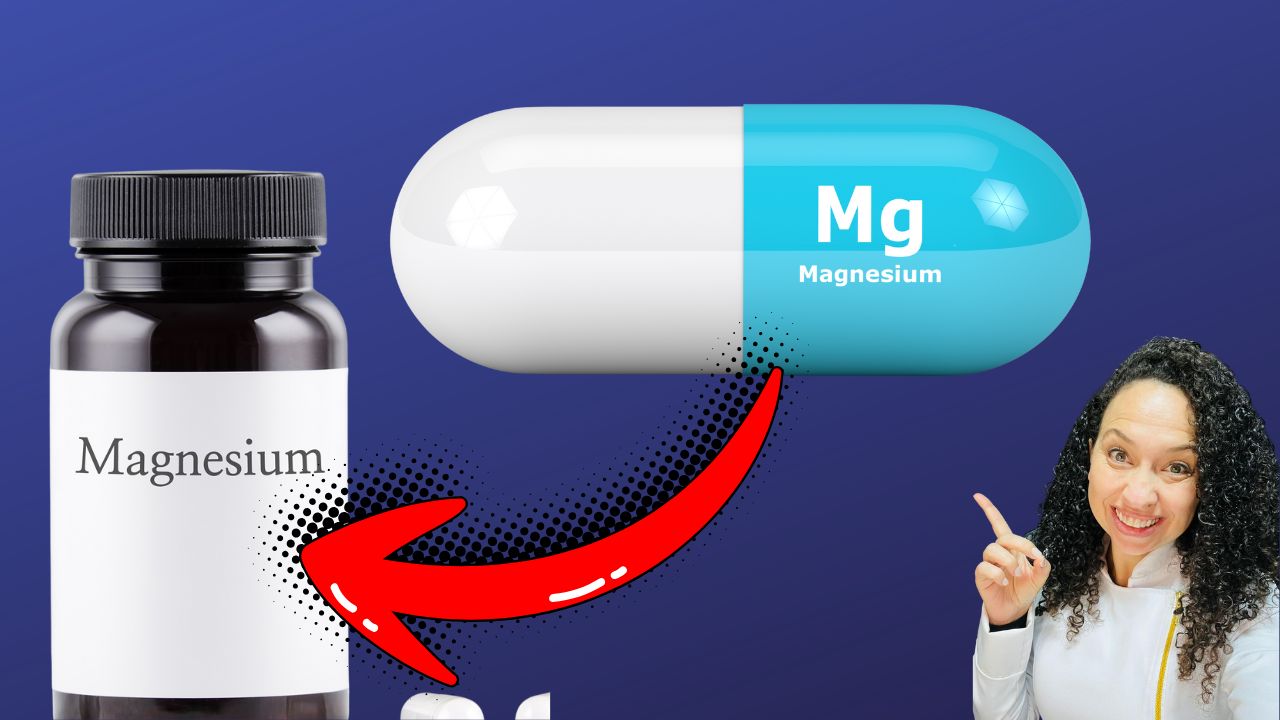
- Magnesium
- Vitamin D
- Omega-3
⚠️ Never discontinue prescribed medication without professional supervision.
Final Thoughts
Multiple joint pain is not just aging.
It reflects:
- Systemic inflammation
- Hormonal changes
- Gut dysfunction
- Poor sleep
- Lack of routine
And the good news is: it can improve.
Not with miracles.
But with consistency, nutrition, and a structured plan.
That is exactly what I do with my women inside the FITONUTRI Program — long-term support, monthly plans, seeds, teas, and strategies focused on reducing inflammation and restoring quality of life.
💚 Pain is not your destiny.
With care,
Vanessa Gaudiano