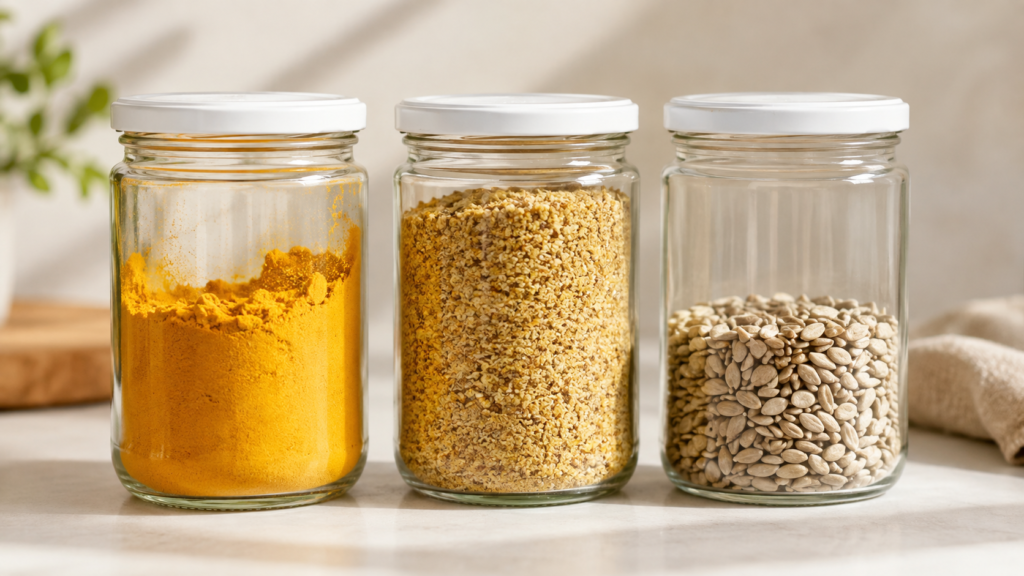
Have you ever wondered whether you should eat sesame seeds every day? Especially if you are going through perimenopause or menopause? Today, we’ll take a closer look at the benefits of this powerful little seed and how it may support your health!
During perimenopause and menopause, the significant decline in female sex hormones directly affects bone density, lipid metabolism, skin health, and the central nervous system.
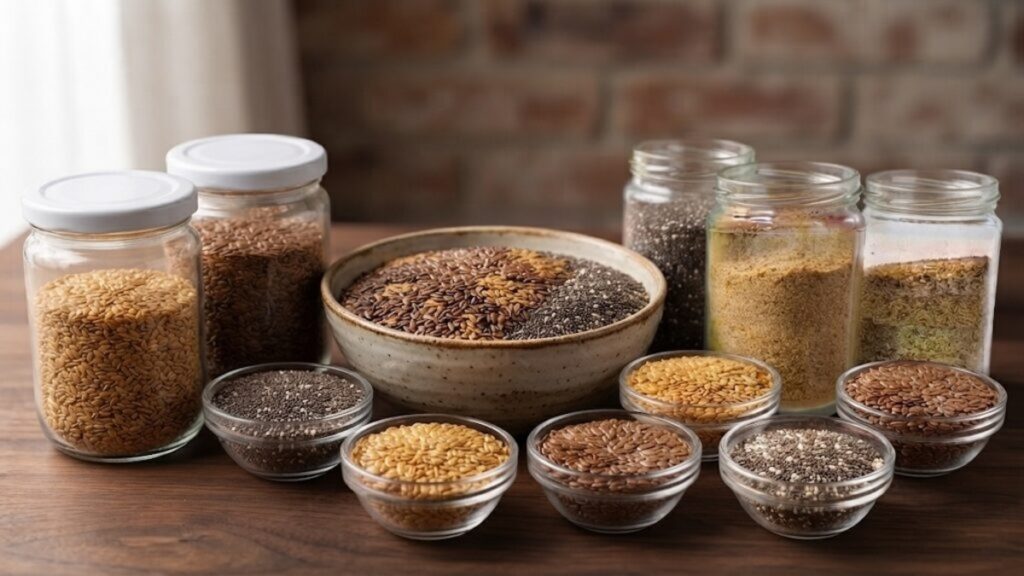
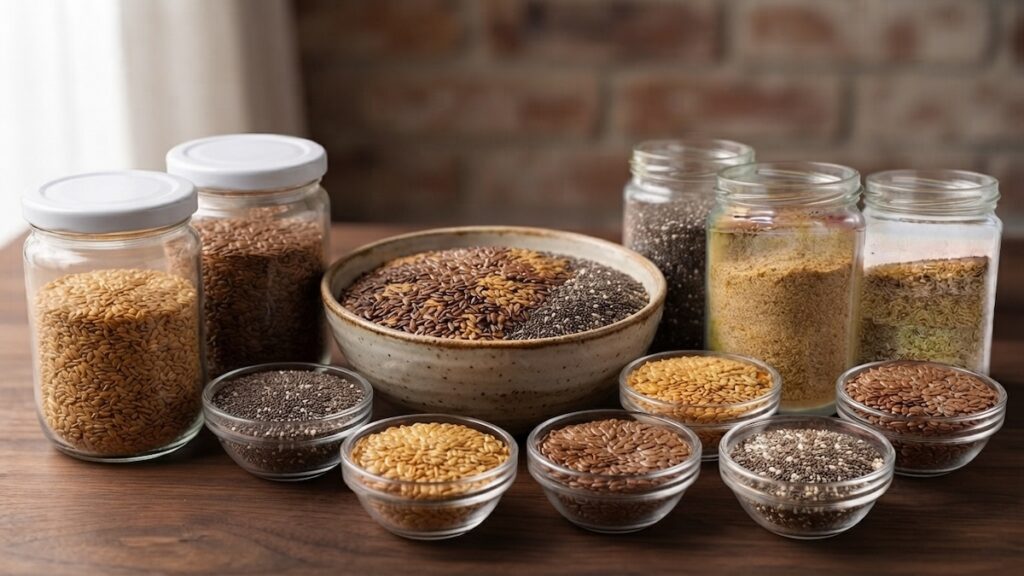
Ground golden flaxseeds and hydrated chia seeds alongside plain yogurt.
Including sesame (Sesamum indicum) in your daily diet can be a useful nutritional strategy to help support the body during these changes. This small seed has a high density of minerals and bioactive compounds that may contribute to hormonal balance and cellular protection in women.
Why Is Sesame Beneficial for Women?
Sesame stands out in integrative nutrition because of its nutrient-rich composition, which provides several nutrients important for women’s health after 40:
- Lignans and Phytoestrogens: It contains sesamin and sesamolin, plant compounds that may have mild estrogen-like activity in the body and may support women experiencing hot flashes and mood changes.
- Calcium Intake: Sesame is a rich plant-based source of calcium. This mineral is essential for maintaining bone health and helping reduce the risk of osteopenia and osteoporosis associated with menopause.
- Heart-Healthy Fats: Rich in unsaturated fatty acids, sesame can contribute to healthy cholesterol levels and cardiovascular health.
Systemic Benefits of Daily Consumption
- Gut Health and Satiety: Its high concentration of soluble and insoluble fiber helps support regular bowel movements, combat constipation, and promote satiety, contributing to healthy weight management.
- Cognitive Health and Immune Support: Sesame provides zinc, selenium, and vitamin E, nutrients with antioxidant properties that help protect cells from oxidative stress and support normal immune function.
- Anti-Inflammatory Support: Sesame contains bioactive compounds that may contribute to a healthy inflammatory response and can be part of a balanced nutritional approach for women living with inflammatory conditions such as arthritis and lupus.
How to Consume and Prepare Sesame Properly
To help the digestive system access the nutrients and bioactive compounds in sesame seeds, proper preparation is important.
Grind Before Consuming
- The seeds should preferably be consumed ground. Avoid buying sesame that has already been ground, as its healthy fats can oxidize more quickly. Grind enough for approximately one week using a blender or food processor.
- Storage: Keep a small portion in a dark container in the refrigerator and store the remainder in the freezer to help preserve its nutritional properties.
Recommended Serving
- Consume 1 to 2 tablespoons per day. Ground sesame can be added to functional shakes, chopped fruit, yogurt, or salads.
Types of Sesame
- Dark Varieties (Black or Brown): Have a more robust flavor and a higher concentration of antioxidant compounds in the outer layer of the seed.
- Light Varieties (White or Golden): Have a milder, slightly nutty flavor and can be a good option when introducing sesame into your diet. Both varieties provide similar basic nutritional benefits.
Embedded content from YouTube
Simplified Nutrition Facts (Per Tablespoon)
- Calories: ~57 kcal
- Protein: 1.7 g
- Total Fat: 4.9 g (predominantly unsaturated)
- Carbohydrates: 2.3 g
- Dietary Fiber: 1.1 g
- Micronutrients: Calcium, magnesium, phosphorus, zinc, selenium, and copper.
Disclaimer
The information contained in this article is for informational and educational purposes only. The consumption of functional seeds and herbal products does not replace professional medical advice or treatment prescribed by a healthcare professional. People diagnosed with active gastrointestinal conditions, such as acute diverticulitis, colitis, or severe irritable bowel syndrome, or those with a history of tree-nut or seed allergies, should consume sesame only in appropriately prepared forms and under individualized professional guidance. Sesame consumption should be accompanied by adequate water intake to help prevent digestive discomfort.
References
- WU, W. H. et al. Sesame ingestion affects sex hormones, antioxidant status, and blood lipids in postmenopausal women. The Journal of Nutrition, 2006.
- PATHAK, N. et al. Value addition in sesame: A perspective on bioactive components for enhancing nutritive and health benefits. Food Reviews International, 2014.
Vanessa Gaudiano — Nutritionist (CRN-8 16541) and Clinical Herbal Medicine Specialist, specializing in Women’s Health and Functional Nutrition.