10 Natural Laxative Foods That Help Relieve Constipation Naturally
“Nutri, my stomach hurts. I feel bloated, inflamed, heavy… I don’t know what to do anymore. My intestines just won’t work.”
If you’ve ever said or felt something like this, know this: you are not alone.
This is one of the most common complaints I hear every single day in my practice, especially from women over 40, during perimenopause and menopause.
Constipation goes far beyond simple discomfort. It is directly linked to:
- Abdominal bloating
- Excessive gas
- Stomach pain
- Body inflammation
- Constant fatigue
- Difficulty losing weight
- Hormonal imbalance
- Worsening joint and rheumatic pain
The good news is that there are natural, accessible, and highly effective foods that can help your intestines work better — without chemical laxatives, aggressive teas, or miracle solutions.
In this article, I’ve selected 10 natural laxative foods, carefully chosen to fit into breakfast, lunch, dinner, and snacks, in a practical and safe way for women who frequently struggle with constipation.
Save this content. It can truly transform your relationship with your body.
Why Is Constipation So Common in Women?
Before we dive into the foods, it’s important to understand why so many women suffer from constipation, especially after the age of 40.
Some very common factors include:
- Low fiber intake
- Insufficient water consumption
- Sedentary lifestyle
- Excessive coffee intake
- Continuous medication use
- Chronic stress
- Hormonal changes (decline in estrogen and progesterone)
- Silent intestinal inflammation
When the intestines don’t function properly, the body enters a state of retention, inflammation, and toxin accumulation, making any health improvement much harder.
Now let’s get to what really matters: the right foods.
1. Papaya – the classic that truly works
Papaya is undoubtedly one of the most effective and safest natural laxative foods.
It is rich in:
- Soluble fiber
- Water
- Papain (a digestive enzyme)
These components help to:
- Soften stools
- Stimulate bowel movements
- Reduce gas and bloating
- Improve digestion
Papaya is low in calories, easy to digest, and extremely versatile.
👉 It can be consumed at breakfast, dinner, or as a snack.
👉 Works very well alone or combined with other laxative fruits.
2. Oats – the fiber that cleans from the inside
Oats are a truly functional food for intestinal health.
They contain beta-glucan, a soluble fiber that:
- Feeds beneficial gut bacteria
- Improves intestinal transit
- Reduces inflammation
- Helps control cholesterol
- Promotes satiety
A gut that receives fiber daily functions better, which reflects in more energy, less bloating, and better hormonal balance.
👉 Can be used in:
- Porridge
- Smoothies
- Overnight oats
- Sweet or savory recipes
3. Plums (fresh or dried) – powerful and effective
Plums have been known for decades as allies of the intestines — and for good reason.
They are rich in:
- Fiber
- Sorbitol (a compound that stimulates bowel movements)
- Antioxidant compounds
Dried plums (prunes), in particular, have a stronger laxative effect and are excellent for chronic constipation.
👉 Can be consumed:
- With papaya
- In flavored water
- As a snack
- At breakfast
4. Oranges – fiber and hydration combined
When eaten whole (not just as juice), oranges are excellent for bowel health.
They provide:
- Soluble fiber
- High water content
- Vitamin C
- Gentle intestinal stimulation
Water-rich fruits help hydrate stools, making bowel movements easier.
👉 Always prefer the whole fruit when possible.
5. Pumpkin – light, functional, and gut-friendly
Pumpkin is a highly strategic food for those who want to improve bowel function without overloading digestion.
It is:
- Rich in fiber
- Easy to digest
- Low in calories
- Naturally anti-inflammatory
Its beta-carotene content also supports gut and immune health.
👉 An excellent option for lunch and dinner.
6. Seeds – smart fibers for the intestines
Seeds play a leading role when it comes to gut and hormonal health.
Commonly used seeds include:
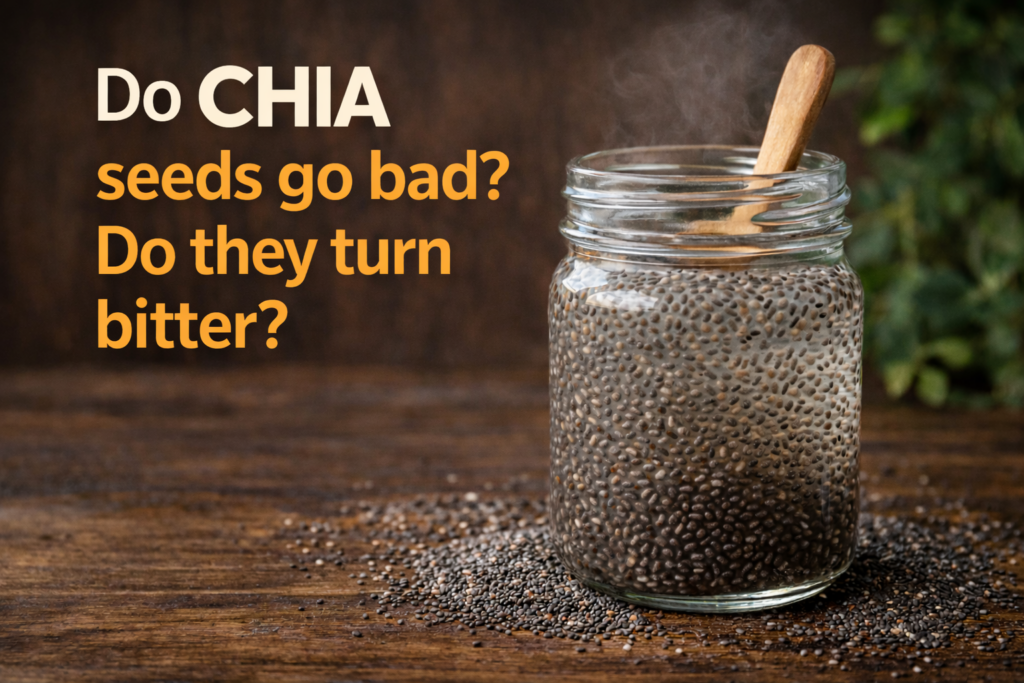
- Chia
- Flaxseed
- Sesame
- Quinoa (properly prepared)
They provide:
- Soluble and insoluble fibers
- Healthy fats
- Improved intestinal transit
- Support for hormonal balance
⚠️ Important: anyone consuming seeds must drink enough water throughout the day.
7. Leafy green vegetables – pure fiber
Arugula, lettuce, kale, spinach, chicory, and Swiss chard are natural sources of:
- Fiber
- Chlorophyll
- Magnesium
- Anti-inflammatory compounds
They gently and consistently stimulate bowel movements.
👉 Should be included daily in meals.
8. Broccoli and cauliflower – fiber plus gut detox
In addition to being rich in fiber, these vegetables help:
- Detoxify the intestines
- Balance gut microbiota
- Reduce inflammation
They are great allies for people who experience constipation along with bloating.
9. Whole grains – essential for bowel movement
Replacing refined grains with whole options makes a huge difference.
Good choices include:
- Quinoa
- Whole wheat
- Bulgur
- Brown rice
They increase stool volume and stimulate intestinal movement.
10. Lentils – powerful and functional
Lentils are a legume rich in:
- Fiber
- Plant-based protein
- Essential minerals
They significantly improve bowel function when consumed regularly.
👉 An excellent option for those who do not eat meat.
Healthy Gut = Balanced Hormones
Few people talk about this, but it is essential:
a poorly functioning gut directly affects hormonal balance.
When the intestines are sluggish:
- Toxins accumulate
- Estrogen is not properly eliminated
- Inflammation increases
- Menopause symptoms worsen
- Pain intensifies
That’s why caring for gut health is a crucial step to:
- Reduce bloating
- Decrease inflammation
- Support weight loss
- Live with less pain
Conclusion
If you struggle with constipation, bloating, stomach pain, and constant inflammation, your body is asking for simple but strategic changes.
These 10 foods, when used correctly and consistently, can transform your gut health — and, as a result, your overall quality of life.
If this content resonated with you, keep seeking knowledge, because food is a powerful healing tool when used correctly.
With care,
Nutri Vanessa Gaudiano
Nutritionist & Phytotherapy Specialist 🌿