Have you ever heard about gut microbiota?
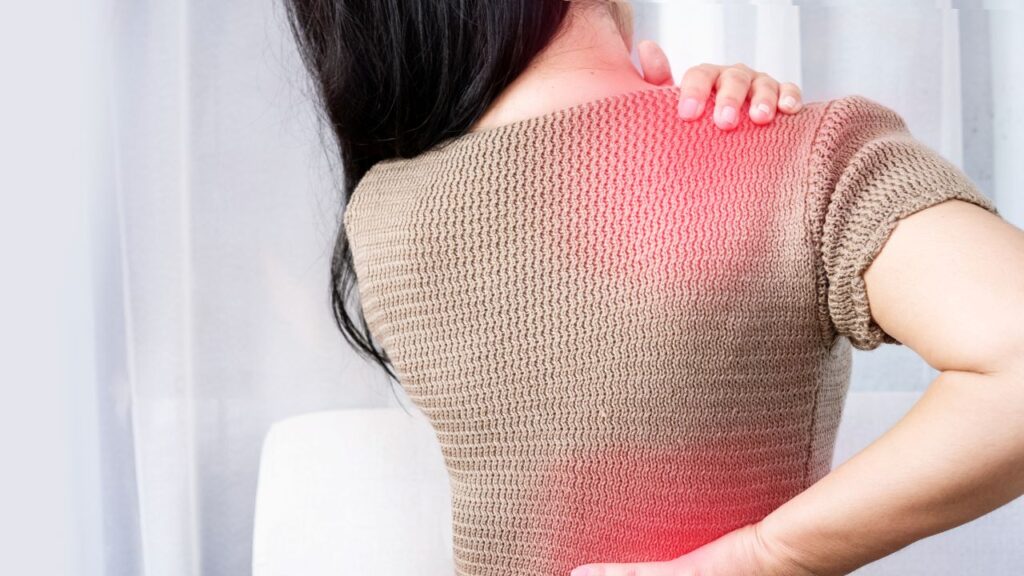
If you struggle with constipation, bloating, gas, fatigue, hair loss, hormonal imbalance, insulin resistance, or even difficulty losing weight, the problem may not be just the symptom… but your gut.
Today I want to clearly explain what microbiota is, what intestinal dysbiosis means, and how to restore balance naturally — especially if you are a woman over 40 who wants to regulate hormones and reduce inflammation.
What Is Gut Microbiota?
Gut microbiota is a true ecosystem living inside your intestines.
It is made up of trillions of microorganisms, mainly bacteria. And here is the key point:
👉 We need more good bacteria than harmful bacteria.
When there is balance, your body functions properly.
When there is imbalance, a condition called intestinal dysbiosis develops.
What Is Dysbiosis?
Dysbiosis is an intestinal disorder characterized by an overgrowth of harmful bacteria and a reduction of beneficial bacteria.
This imbalance affects:
- Digestion
- Nutrient absorption
- Vitamin and mineral distribution
- Hormone production
- Immune function
- Metabolism
And here is something very important:
💡 Inflamed gut = hormonal imbalance.
How Dysbiosis Affects Hormones
If your gut does not properly absorb nutrients, your body lacks the raw materials needed for:
- Progesterone production
- Estrogen production
- Collagen formation
- Hair health
- Cellular energy
The consequences may include:
- Constant fatigue
- Hair thinning
- Brittle nails
- Increased wrinkles
- Difficulty losing weight
- Intense menopause symptoms
For women over 40, this becomes even more critical.
How to Know If You Have Dysbiosis
Common signs include:
- Very hard stools
- Frequent loose stools
- Going 3–4 days without a bowel movement
- Excessive, foul-smelling gas
- Bloating
- Abdominal distension
- Nausea or frequent burping
- Recurrent yeast infections
- Fatty liver (hepatic steatosis)
- Insulin resistance
- Type 2 diabetes
- High blood pressure
- Rheumatoid arthritis, lupus, osteoarthritis
If you do not have a daily bowel movement, that is already a warning sign.
A healthy gut functions every day.
What Causes Dysbiosis?
1️⃣ Excess Protein
Common in people trying to gain muscle mass who overconsume:
- Red meat
- Chicken
- Fish
- Eggs
- Whey protein
- Creatine
Excess protein overloads the gut and increases toxic byproducts.
2️⃣ Excess Unhealthy Fats
- Trans fats
- Fried foods
- Hydrogenated oils
These fats impair digestion and increase intestinal inflammation.
3️⃣ Refined Carbohydrates
- White bread
- Refined pasta
- Low-fiber foods
They slow bowel movements and increase fermentation.
4️⃣ Frequent Medication Use
Medications for:
- Arthritis
- Depression
- Anxiety
- Inflammation
- Hormone therapy
These can significantly alter gut microbiota.
The Good News: It Can Be Treated Naturally
In most cases, gut microbiota can be restored through proper nutrition.
Here is what works in practice.
Foods That Restore Gut Microbiota
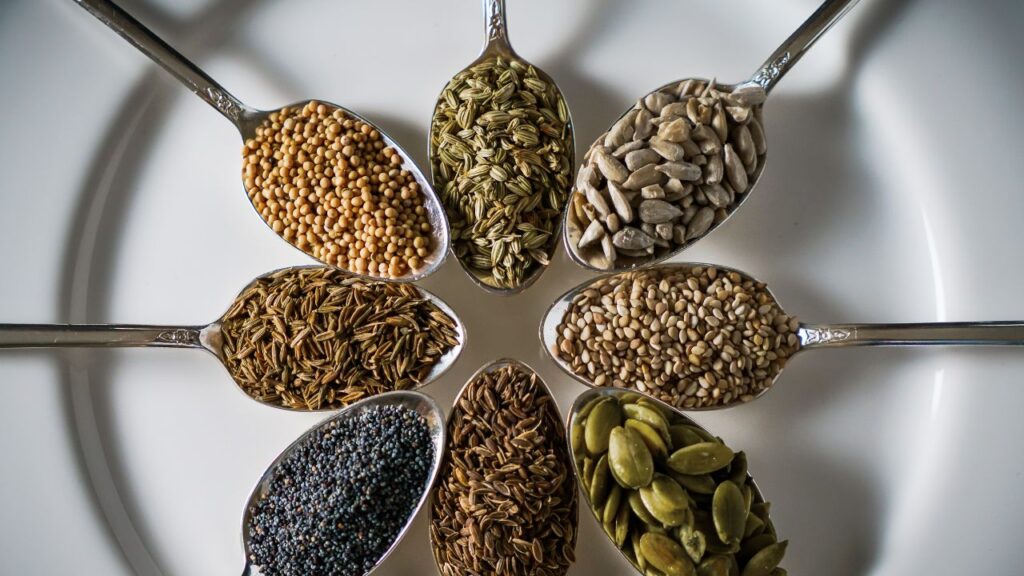
🌿 1. Functional Seeds
- Chia
- Flaxseed
- Quinoa
- Sesame seeds
- Brazil nuts
- Walnuts
- Almonds
They are rich in fiber and act as prebiotics — feeding beneficial bacteria.
🌾 2. Legumes
- Beans
- Lentils
- Chickpeas
- Peas
- Soybeans
They improve bowel function and nourish gut bacteria.
🌾 3. Whole Grains
- Brown rice
- Oats (rich in beta-glucan)
- Barley
- Rye
- Whole wheat
Beta-glucan acts like a natural “sweeper,” helping clean arteries and the intestines.
🍎 4. Strategic Fruits
- Apples (excellent for microbiota)
- Lemon
- Orange
- Acerola
- Melon
- Watermelon
- Mango (in moderation for diabetics)
Fiber-rich fruits support immunity and collagen production.
🥬 5. Fiber-Rich Vegetables
Vegetables are high in cellulose (insoluble fiber), which supports intestinal cleansing.
They assist in natural detoxification processes.
Prebiotics and Probiotics: Understanding the Difference
✅ Prebiotics
Feed beneficial bacteria.
Examples:
- Chia
- Flaxseed
- Honey
- Oats
- Brown rice
- Quinoa
✅ Probiotics
Contain beneficial bacteria.
Examples:
- Kefir (water or milk-based)
- Naturally fermented pickles
- Fermented beets
- Sauerkraut
⚠️ Important: Many commercial yogurts contain preservatives and may not provide true probiotic benefits.
The Importance of Hydration
Eating fiber without drinking enough water can worsen constipation.
Without adequate hydration:
- Fiber hardens
- The gut slows down
- Inflammation increases
Water, herbal teas, smoothies, and natural juices help support proper gut function.
Smoothies: A Powerful Strategy for Gut Restoration
Natural smoothies are one of the most effective tools for improving gut health.
They:
- Increase fiber intake
- Improve bowel movements
- Reduce inflammation
- Support detoxification
Within 7 to 10 days, many people notice significant improvement.
Healthy Fats to Prioritize
- Extra virgin olive oil
- Avocado
- Coconut oil
- Nuts and seeds
Reduce:
- Excess cheese
- Dairy products
- Ultra-processed foods
Gut Health and Modern Diseases
Many chronic conditions are linked to dysbiosis:
- Lipedema
- Hypertension
- Type 2 diabetes
- Fatty liver
- Rheumatoid arthritis
- Lupus
- Obesity
When the gut is inflamed, the entire body is affected.
Healthy Gut = Balanced Hormones
For women over 40, this connection is essential.
Restoring gut microbiota can:
- Reduce menopause symptoms
- Improve libido
- Increase energy
- Lower inflammation
- Support immune health
- Facilitate weight loss
Everything begins in the gut.
Practical Summary for Natural Treatment
- Increase natural fiber intake
- Consume seeds daily
- Include prebiotic and probiotic foods
- Reduce excessive protein intake
- Avoid unhealthy fats
- Improve hydration
- Use herbal teas and functional smoothies
- Review medication use with professional guidance
Final Thoughts
Intestinal dysbiosis is extremely common — but it does not have to be permanent.
With proper nutrition, you can:
✔ Restore your microbiota
✔ Reduce gut inflammation
✔ Balance your hormones
✔ Improve metabolic health
✔ Regain energy
Your body responds when you give it what it truly needs.
And it all starts in your gut.