If you often feel bloated, inflamed, constantly tired, or struggle with weight loss despite eating “healthy,” your body may be dealing with an excess metabolic acid load.
The alkaline approach to nutrition is not a fad diet or an extreme restriction. It is a nutritional strategy focused on choosing foods that help the body maintain a more balanced internal environment, supporting digestion, metabolism, intestinal health, and inflammation control.
In this complete guide, you will learn:
- What alkaline foods are
- How they work in the body
- A complete list by food group
- Indications, contraindications, and how to use them correctly
🧪 What Are Alkaline Foods?
Alkaline foods are those that, after digestion and metabolism, produce fewer acidic residues in the body. This helps preserve essential alkaline minerals such as magnesium, calcium, and potassium, which are vital for muscles, bones, joints, and the nervous system.
⚠️ Important clarification:
The pH of the blood does not change, as the body tightly regulates it. However, diet can influence the metabolic acid load, affecting tissues such as muscles, joints, bones, liver, and kidneys.
A diet high in:
- sugar
- refined flours
- ultra-processed foods
- excessive animal protein
- soft drinks
is associated with silent inflammation, fluid retention, chronic pain, and fatigue.
🍓 Alkaline Fruits


5
Even fruits with an acidic taste can have an alkalizing effect after digestion.
List of alkaline fruits
- Lemon
- Papaya
- Melon
- Avocado
- Mango
- Ripe banana
- Apple
- Pear
- Grapes
- Coconut
Indications
- Reduced inflammation
- Improved digestion
- Cellular hydration
- Intestinal support
- Metabolic balance
How to use
- Fresh and whole
- In smoothies with water or plant-based milk
- In green juices
- As snacks between meals
Contraindications
- People with active gastritis or reflux should avoid citrus fruits on an empty stomach
- People with diabetes should control portions and combine fruits with fiber
🌰 Alkaline Seeds


5
Seeds are functional alkalizing foods, rich in fiber, minerals, and anti-inflammatory fats.
Main alkaline seeds
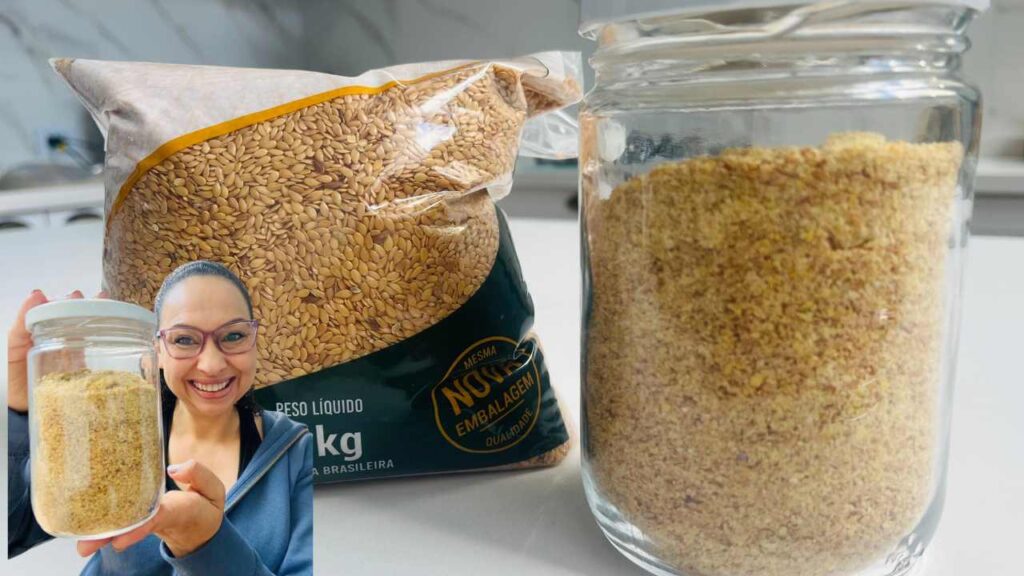
- Flaxseed
- Chia seeds
- Sesame seeds
- Pumpkin seeds
- Sunflower seeds
Indications
- Hormonal balance
- Joint health
- Improved intestinal function
- Blood sugar control
- Bone health
How to use correctly
- 1 tablespoon per day
- Flaxseed and sesame should always be ground
- Chia can be consumed soaked or dry
- Add to fruits, salads, smoothies, or plant-based yogurts
Contraindications
- Sensitive intestines: start with small amounts
- Increase water intake
🌾 Alkaline Flakes

4
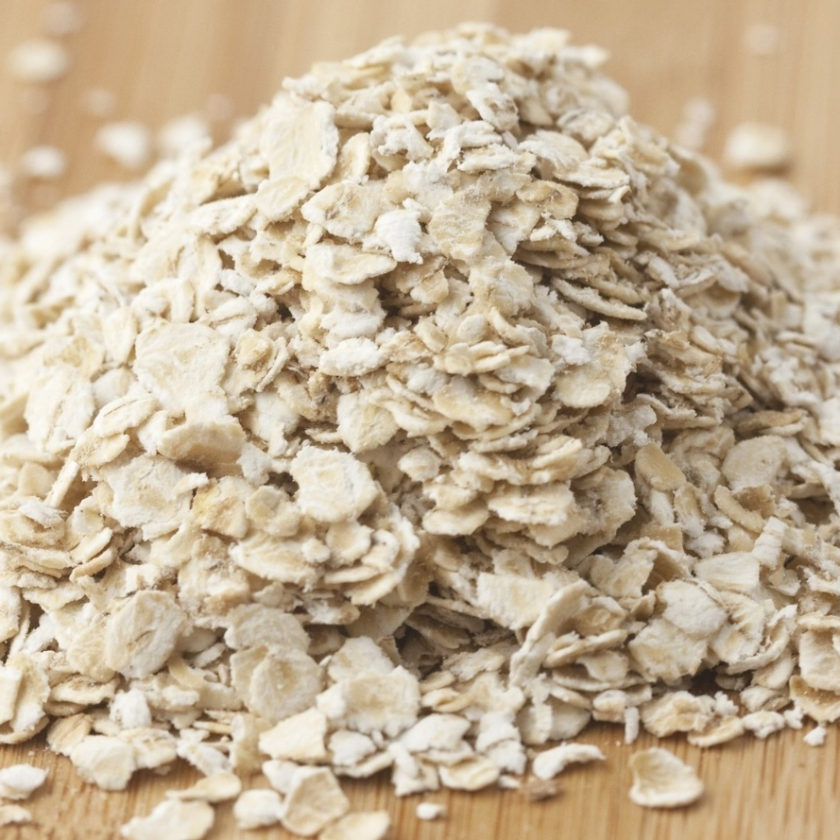
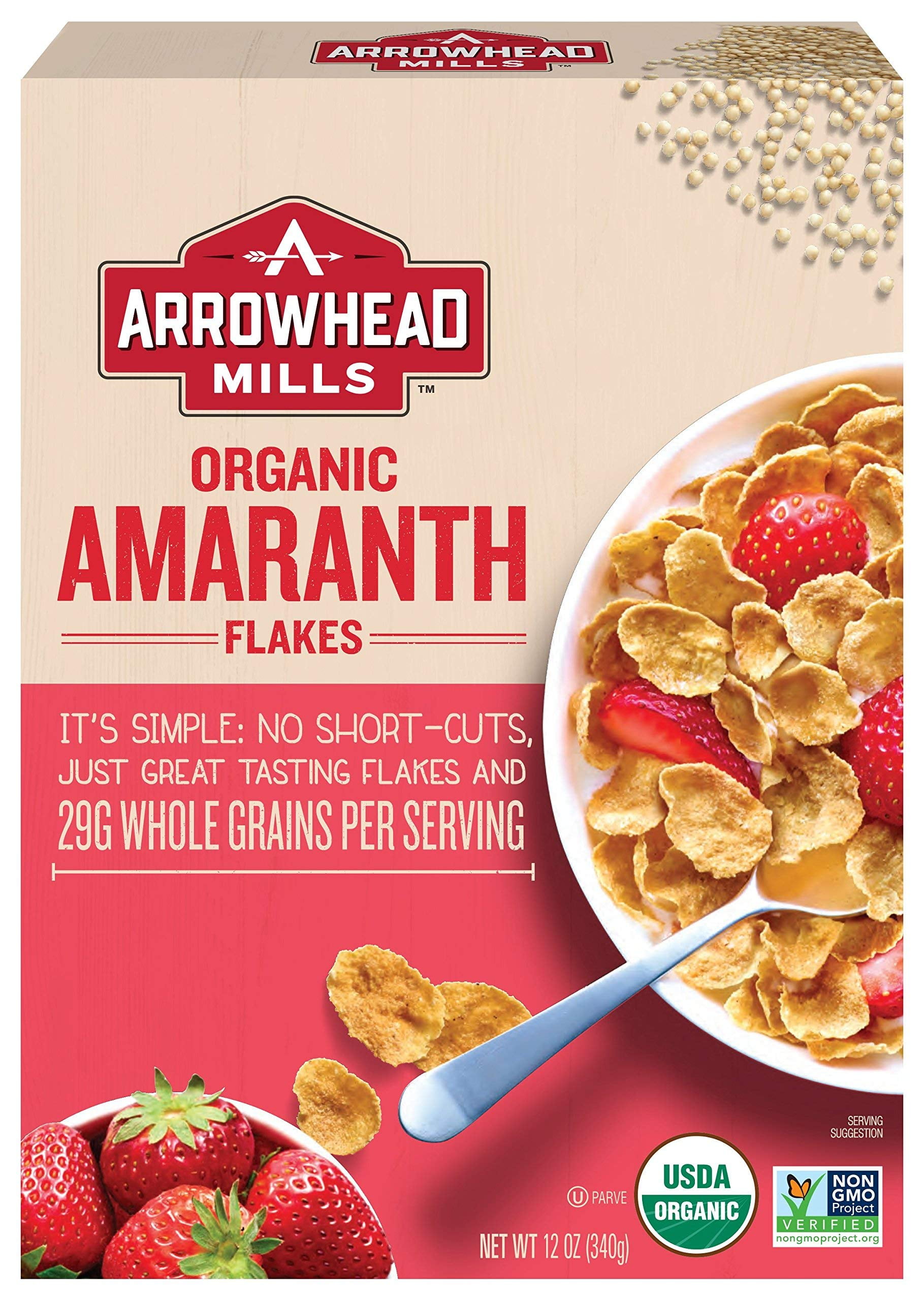
Whole-grain flakes contribute to satiety and metabolic balance when consumed in moderation.
Recommended flakes
- Oat flakes
- Quinoa flakes
- Amaranth flakes
- Brown rice flakes
Indications
- Sustained energy
- Improved bowel movement
- Appetite control
- Metabolic support
How to use
- Porridge
- Smoothies
- Pancakes
- Baked preparations
Contraindications
- Gluten sensitivity: choose quinoa or amaranth
- Avoid excess consumption at night
🌾 Alkaline Grains

4
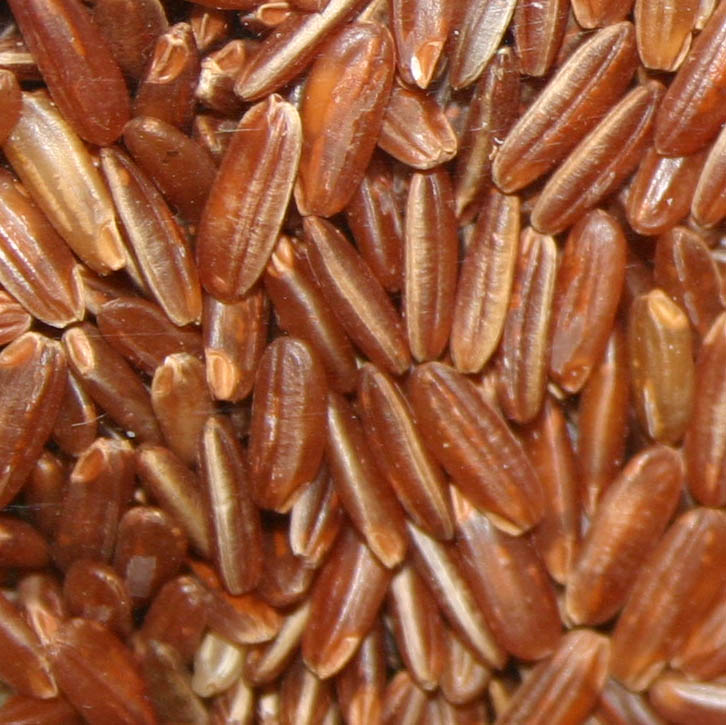
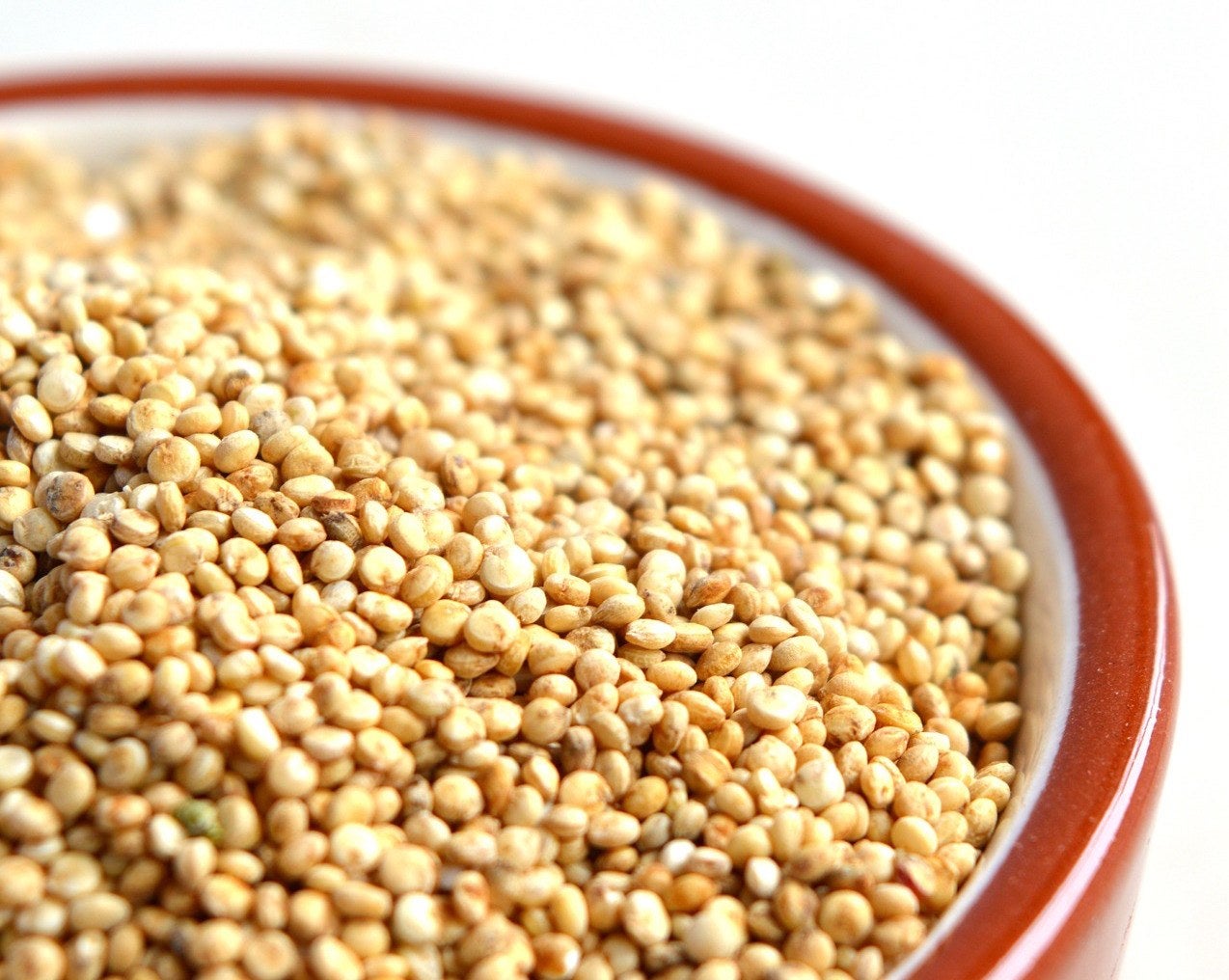
Well-prepared whole grains produce less inflammatory impact.
Main alkaline-friendly grains
- Quinoa
- Amaranth
- Brown rice
- Millet
Indications
- Cellular energy
- Intestinal health
- Muscle maintenance
- Reduced inflammation
How to use
- Always well cooked
- Combine with vegetables and seeds
- Control portion sizes
Contraindications
- People prone to bloating should adjust quantities
🫘 Alkaline Legumes (When Properly Prepared)


5
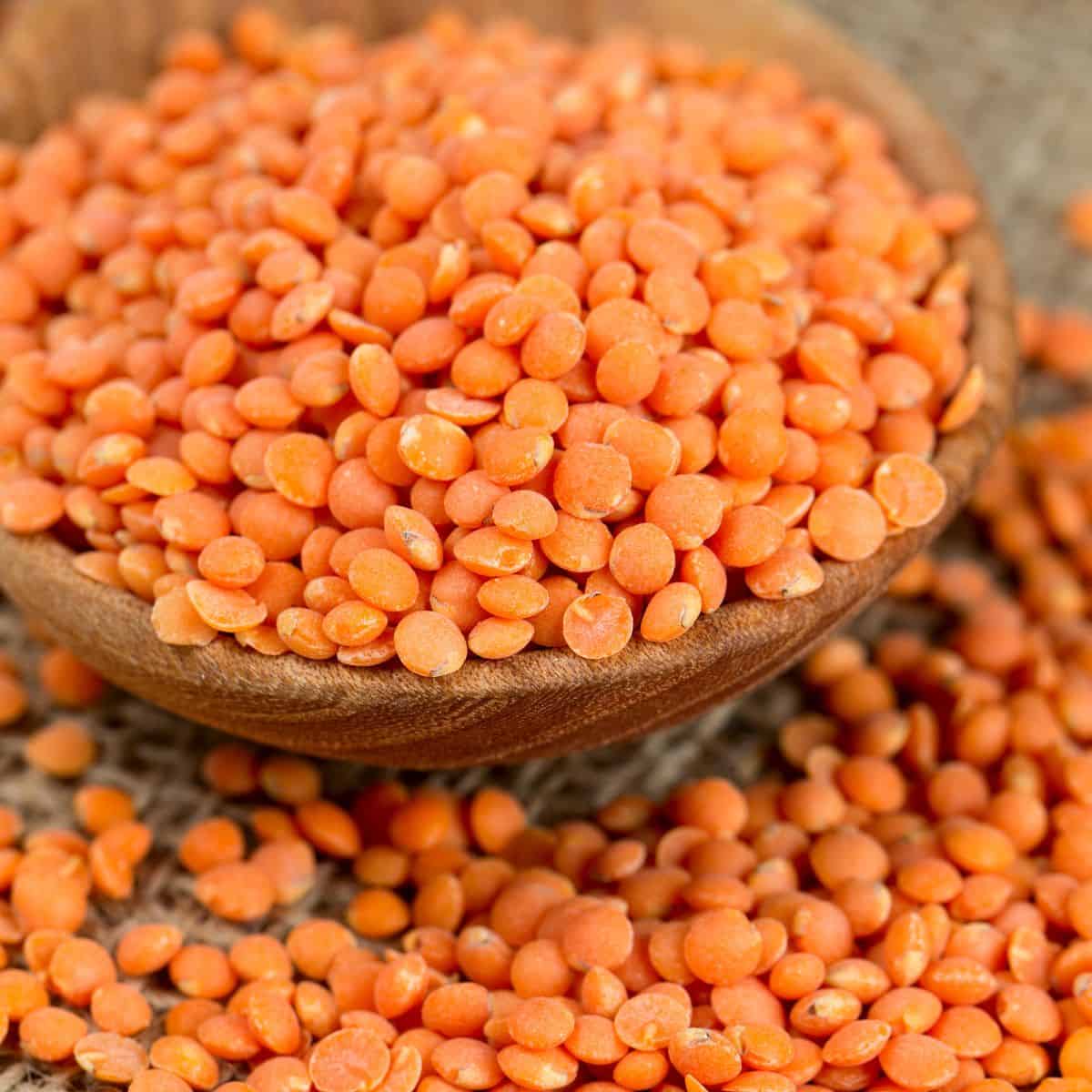
When soaked and cooked correctly, legumes can support metabolic balance.
Main legumes
- Lentils
- Chickpeas
- Beans
- Dried peas
Proper preparation
- Soak for 8 to 12 hours
- Discard soaking water
- Cook thoroughly
Indications
- Plant-based protein source
- Satiety
- Blood sugar control
- Gut health
Contraindications
- People with irritable bowel syndrome should assess tolerance
🥩 Animal Protein and the Alkaline Approach


4
Animal proteins are not alkaline, but they can be included without harm when balanced properly.
Better choices
- Fish
- Eggs
- Chicken
- Lean meats
How to consume
- Always combined with vegetables
- Avoid frying
- Prefer grilling, steaming, or baking
Contraindications
- Excess increases acid load
- Avoid processed meats
✅ Indications for an Alkaline-Oriented Diet
- Chronic inflammation
- Joint pain
- Fluid retention
- Persistent fatigue
- Difficulty losing weight
⚠️ General Contraindications
- Does not replace medical treatment
- People with kidney disease should seek professional guidance
- Should not be followed as an extreme diet
❓ Frequently Asked Questions (SEO)
Do alkaline foods really work?
They work as a nutritional strategy to reduce inflammation and support metabolic balance when combined with healthy habits.
Is lemon acidic or alkaline?
Although acidic in taste, lemon has an alkalizing effect after digestion.
Do alkaline foods help reduce inflammation?
Yes. They provide minerals, fiber, and antioxidants that support inflammation control.
🔥 Conclusion
The alkaline approach is not about restriction, but about better food choices, reducing inflammatory overload, and supporting the body’s natural balance—especially over the age of 40.