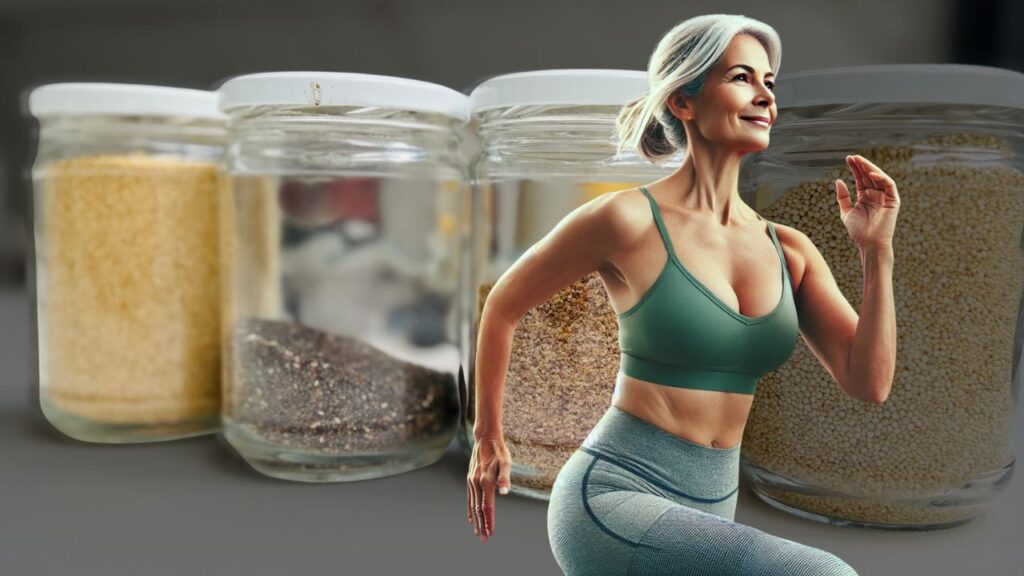
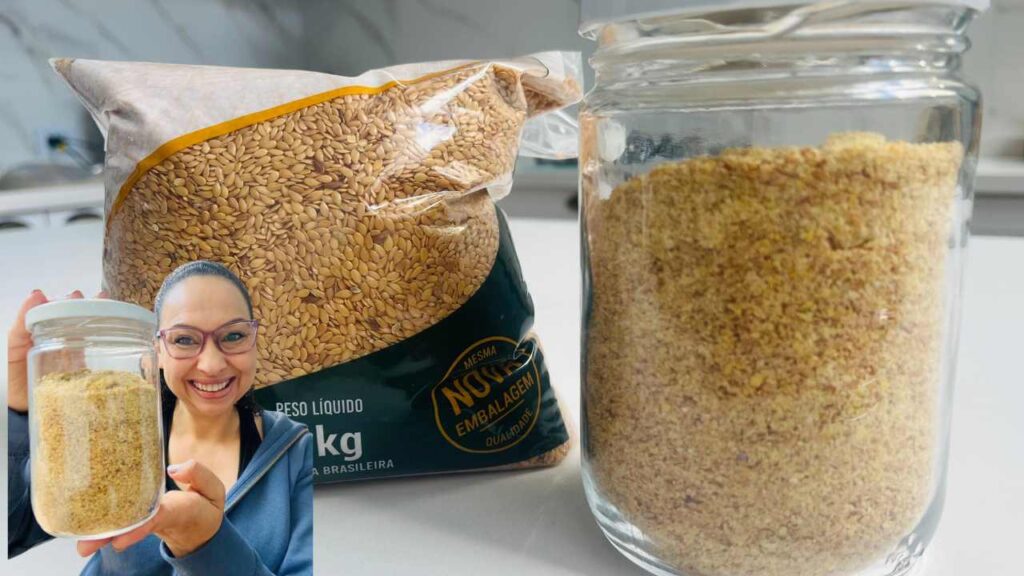
Today we’re going to talk about one of the most powerful foods in the seed category: chia seeds.
Maybe you’ve noticed that when hydrated, they look like a “spider web.”
Maybe you’ve experienced a slightly bitter taste and wondered if they had gone bad.
Or maybe you’re simply asking:
👉 Can I eat chia every day?
👉 Does chia really help lower cholesterol?
👉 Do I need to soak it?
👉 How should I store it properly?
Let’s clarify everything.
🌿 Is Chia Really a Superfood?
Yes — and I say that confidently.
Chia is one of the best foods for:
- Promoting satiety
- Supporting weight loss
- Helping control cholesterol
- Regulating blood sugar levels
- Supporting healthy blood pressure
- Protecting the heart (cardioprotective effect)
- Reducing inflammation (anti-inflammatory action)
- Supporting skin health
- Assisting bone formation
- Helping preserve collagen
Chia is rich in omega-3 fatty acids, fiber, antioxidants, and magnesium — a powerful combination, especially for women over 40.
📅 Can I Consume Chia Every Day?
Yes, you can.
However, you may also alternate:
- One day chia
- One day flaxseed
This variation is excellent if you enjoy diversifying nutrients.
💧 Do You Need to Soak Chia?
It depends on how you plan to use it.
Chia contains mucilage, which is that gel-like texture (similar to a spider web) when it comes into contact with water. This is completely normal.
Traditional soaking method:
- 1 tablespoon chia
- 100–200 ml (½–1 cup) water
- Let sit at least 30 minutes
- Can soak up to 8 hours (for better absorption)
You can also soak it in:
- Yogurt
- Oats
- Preparations for the next day
The longer it soaks, the better the absorption.
🥤 Can I Add Chia Directly to a Smoothie?
Yes.
If you don’t like thick smoothies:
- Add chia at the end
- Wait about 5 minutes
- Blend and drink
Even with minimal soaking, you’ll still benefit — especially with consistent use.
Consistency matters more than perfection.
🫀 Does Chia Really Help Lower Cholesterol?
Yes.
Something as simple as:
👉 1 teaspoon of chia in water daily
May already support cholesterol control.
Many patients notice improvements in lab results after regular use.
Chia helps:
- Reduce LDL cholesterol
- Improve circulation
- Regulate blood sugar
🧴 How to Store Chia Properly
This is essential.
✅ Best practices:
- Store in a glass container
- Keep away from light
- Avoid humidity
- Store in a cool, dry place
If you live in a warm climate:
👉 Store it in the refrigerator.
Personally, when I buy more than 300g, I keep half in the refrigerator to extend freshness.
⏳ How Long Does Chia Last?
Ideally:
✔ Consume within 3 months after opening
✔ Label with purchase date
Can it last longer? Yes.
But fresher is better.
Also:
- Buy from stores with high turnover
- Avoid poorly stored bulk bins
⚠️ Bitter Chia: What Does It Mean?
If chia becomes:
- Very bitter
- Alters the flavor of preparations
- Has an unusual smell
➡️ Discard it.
Old chia can make smoothies and recipes bitter.
The “spider web” appearance alone does not necessarily mean spoilage — sometimes it’s simply friction from plastic packaging.
But if you notice:
- Insects
- Strong odor
- Intense bitterness
Discard immediately.
🧠 Metabolic Benefits of Chia
Chia works systemically:
✔ Helps regulate blood sugar
✔ Reduces sugar spikes
✔ Supports healthy blood pressure
✔ Assists bone health
✔ Fights premature aging
✔ Supports natural collagen production
✔ Has strong anti-inflammatory effects
✔ Is cardioprotective
Your heart benefits.
Your skin benefits.
Your gut benefits.
🚽 Who Should Avoid Chia?
Specific situations:
- Acute diarrhea
- Severe digestive distress
Otherwise, even people with irritable bowel syndrome can use chia — if used correctly.
🌾 Can People with IBS Use Chia?
Yes — with strategy.
If you tend to have frequent bowel movements:
✔ Use chia with meals
✔ Add it to yogurt or fruit
✔ Avoid consuming it alone in water
This helps regulate bowel rhythm.
I work extensively with patients who have IBS, and properly structured seed intake often improves bowel patterns.
🌟 Does Soaking Increase Benefits?
Yes.
Hydrated chia → better absorption.
However, daily use — even with shorter soaking time — still provides benefits.
Consistency is key.
🌿 Conclusion
Chia is one of the most complete foods you can include in your routine.
It is:
✔ Simple
✔ Accessible
✔ Versatile
✔ Functional
Used properly, it can improve lab markers, metabolism, gut health, and even skin quality.
If you want to learn how to use seeds, teas, and structured natural protocols in a strategic way, I have an exclusive women’s club where we apply weekly protocols with seeds, teas, and smoothies.
Because this is not just about food.
It’s about metabolic reeducation and functional nutrition.
A big hug from your Nutritionist 💚
And I’ll see you in the next content.